
This webpage is a comprehensive resource that provides guidance to ensure written, visual, and spoken materials are in alignment with the overarching brand guidance for the center, the University of Michigan, and Michigan Medicine.
We envision communities where everyone has sustainable opportunities to realize optimal mental and physical health.
We bring people together globally across disciplines to co-create bold solutions that improve health where resources are limited.
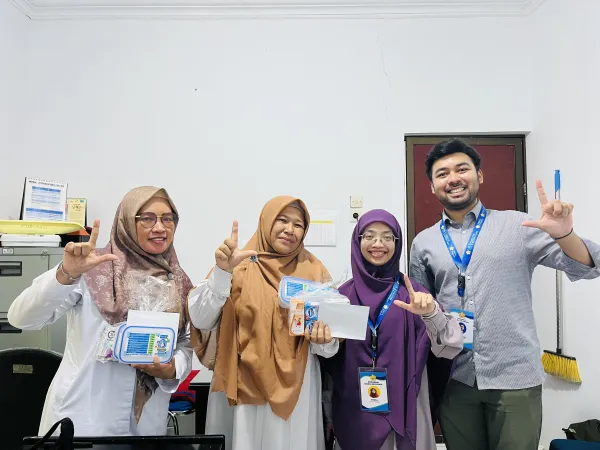
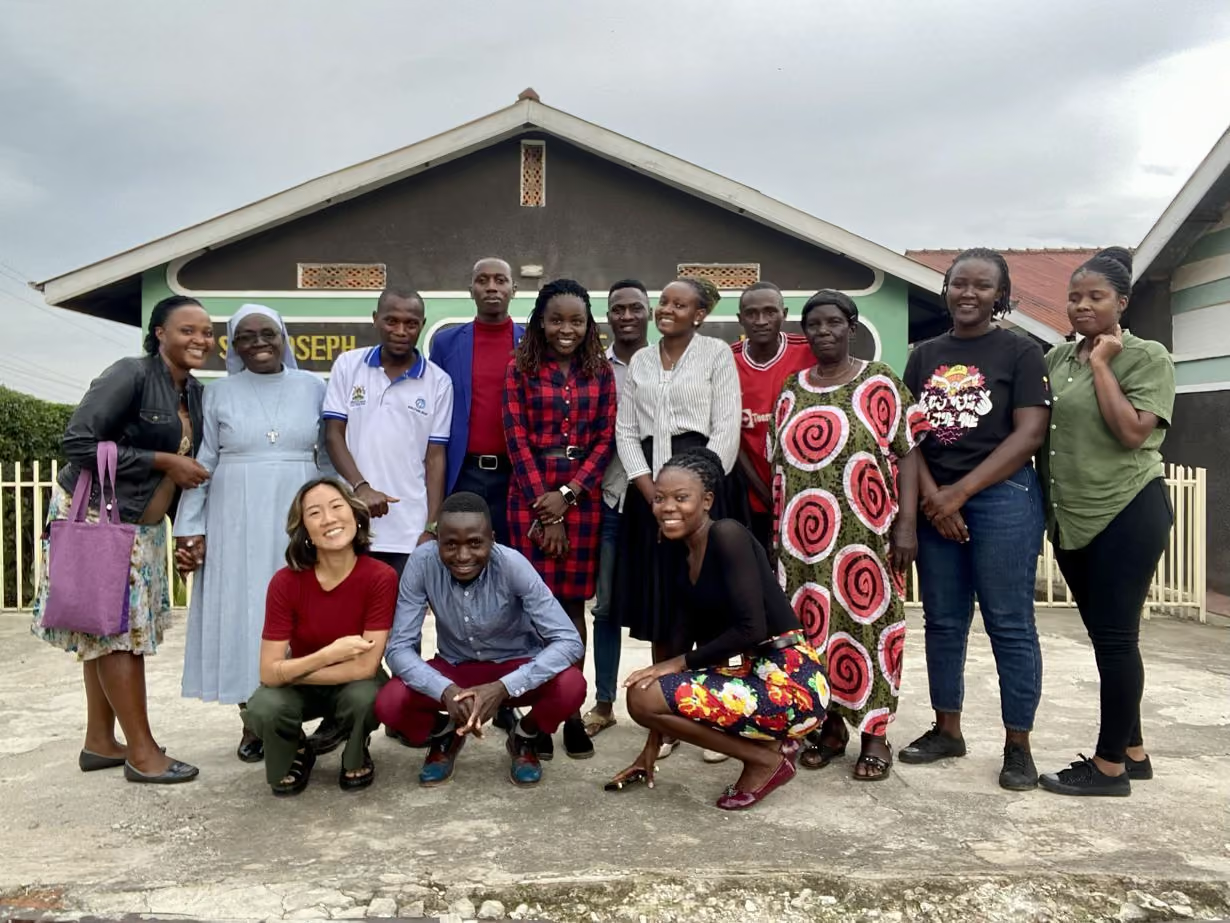
The Center for Global Health Equity was founded in 2020, made possible by a catalytic $20 million in gifts from Tachi and Leslie Yamada—a transformative investment in a different kind of global health research institution.
From the beginning, we were charged with doing something different. Rather than operating within the siloed structures that have long defined academic research, CGHE was built to bridge them—bringing together the best interdisciplinary minds across the University of Michigan's faculty, students, and global partners to pursue research that reaches the communities who need it most.
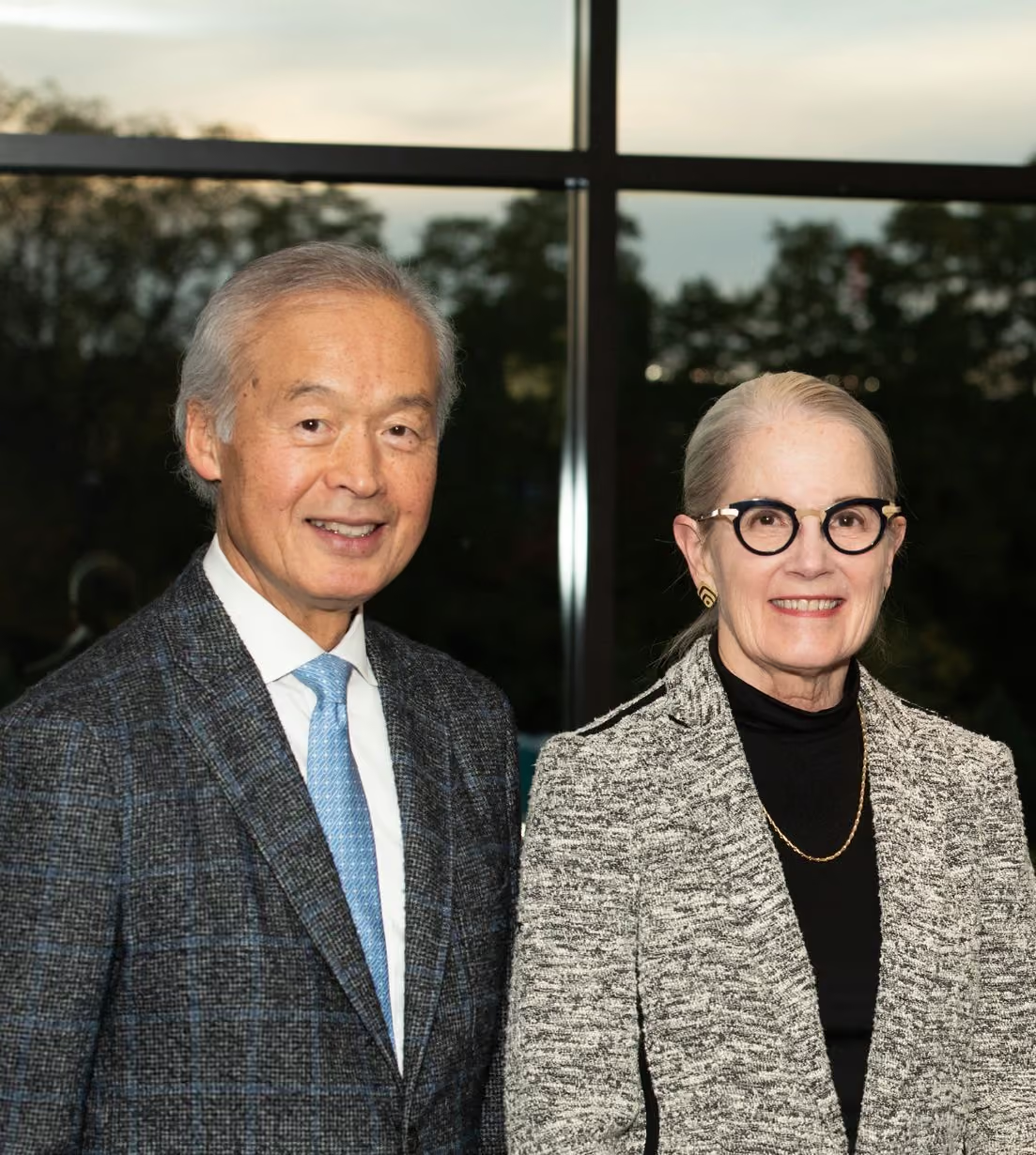
Tadataka "Tachi" Yamada, MD (1945–2021) was a physician whose career spanned academic medicine, the pharmaceutical industry, and global health. Across numerous senior leadership positions, he worked tirelessly to bridge private sector resources with the health needs of people around the world. Most notably, as Chairman of Research and Development at GlaxoSmithKline, he successfully pushed the pharmaceutical industry to abandon a lawsuit blocking South Africa's access to affordable HIV/AIDS drugs—and helped implement not-for-profit pricing models that drove the annual cost of HIV treatment in Africa from $15,000 to less than $100 per patient. He carried that mission to the Bill & Melinda Gates Foundation, where as President of the Global Health Program he oversaw more than $9 billion in grants addressing TB, HIV, and malaria. A longtime University of Michigan faculty member, National Academy of Medicine electee, and author of the seminal Textbook of Gastroenterology, Yamada devoted his life to the belief that access to good health is a universal right.
Leslie Yamada graduated from the American School in Japan and earned a BA in Religious Studies from New York University. Following graduation from NYU, she embarked on a career in social service. She has a deep passion and commitment to the arts and to supporting both her local and global community. Leslie currently serves on the Board of the Pacific Northwest Ballet and is involved with the Recovery Café and the Washington Women’s Foundation. She remains deeply involved in the work of the center and is committed to the advancement of global health equity.
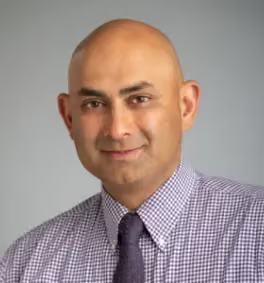
Akbar K. Waljee, MD, MS is the Leslie D. Yamada and Tachi Yamada M.D. Director, University of Michigan Center for Global Health Equity. Waljee is an assistant dean of Global Health Research and Lyle C. Roll Professor, departments of Learning Health Sciences and Internal Medicine. He is also a professor in the Department of Epidemiology at the University of Michigan. Originally from Nairobi, Kenya, Waljee has dedicated his career to improving health and healthcare access, quality, and efficiency, particularly in resource-constrained settings. He is widely recognized for leveraging advanced methodological approaches, including artificial intelligence, to inform better decision-making and to deliver effective, equitable care both locally and globally. His work has been supported by a range of grant funding, including the Veterans Affairs Health Systems Research, the National Institutes of Health, the State of Michigan, and the Department of Defense. Waljee earned his undergraduate degree in biology and his medical degree from Emory University. He completed his internal medicine residency and gastroenterology/hepatology fellowship at the University of Michigan, joining the U-M Medical School faculty in 2009.

Ellen Meader, PhD, MEd is a seasoned administrator with over thirty years of experience in higher education and has worked at U-M in several different capacities. Prior to her current position, Ellen was an Assistant Vice Provost for Equity, Inclusion, and Academic Affairs in the Provost’s Office. She also worked with the U-M ADVANCE Program focusing on equitable and preemptive strategies in faculty recruitment, retention, climate, and leadership; in the Rackham Graduate School as a program manager in the Office of Graduate Student Success; and in the College of Literature, Science, and the Arts in the Office of the Dean as a Research and Policy Analyst. Ellen received her PhD from U-M’s Center for the Study of Higher and Postsecondary Education (CSHPE).
The official title for the director of the center is Leslie D. Yamada and Tachi Yamada M.D. Director, University of Michigan Center for Global Health Equity.
This designation was approved by the U-M Board of Regents on July 18, 2024, and is the title to be used in all official communications for the sitting director, ensuring consistent recognition of the Yamada family’s legacy in advancing global health initiatives. The directorship of the University of Michigan’s Center for Global Health Equity was named for Tachi and Leslie Yamada in October 2024 to honor their pivotal contributions to the establishment and development of the interdisciplinary center.
When referencing the Yamada directorship, please adhere to the following guidelines to remain consistent with the endowment agreement with the Yamada family and the Office of University Development.
While our administrative home sits within Michigan Medicine, the Center for Global Health Equity was designed from the outset to span the full breadth of the University of Michigan. We work across academic and medical campuses—in Ann Arbor, Dearborn, and Flint—bringing together researchers whose expertise spans public health, medicine, engineering, policy, the social sciences, and beyond. This cross-institutional reach is reflected in our reporting structure: we are accountable to senior leadership in both academic and clinical domains, including the Executive Vice President for Medical Affairs and the Provost. That dual accountability isn't incidental—it's a reflection of our core belief that solving global health challenges requires the full range of what a great public university has to offer.
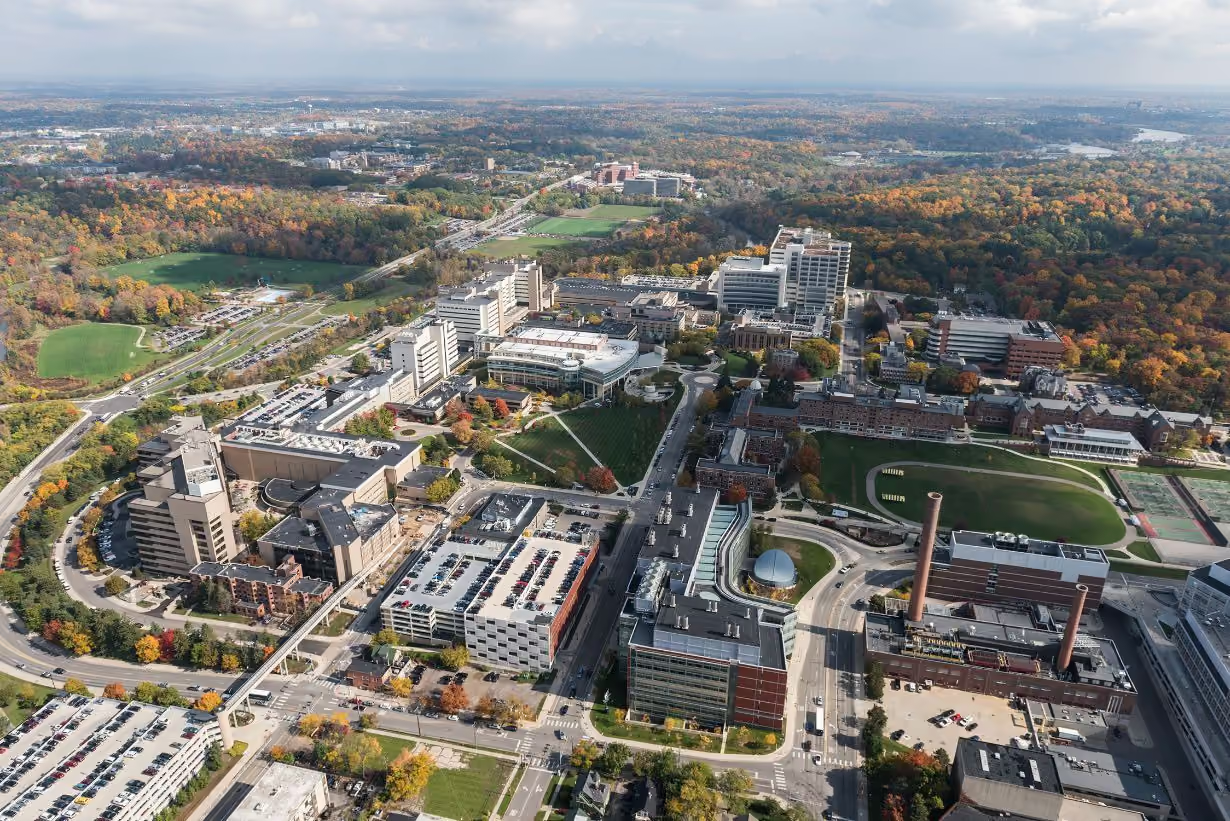
The Center for Global Health Equity at the University of Michigan brings together researchers across disciplines, campuses, and continents to pursue research that reaches the communities who need it most. We serve as a catalyst: connecting researchers, funding high-impact work, and building the collaborations needed to strengthen health systems, inform policy, advance data science, address environmental justice, and empower communities. At our core is a commitment to partnering differently: working alongside communities rather than for them, and ensuring that evidence-based research translates into real change where resources are limited and the need is greatest.

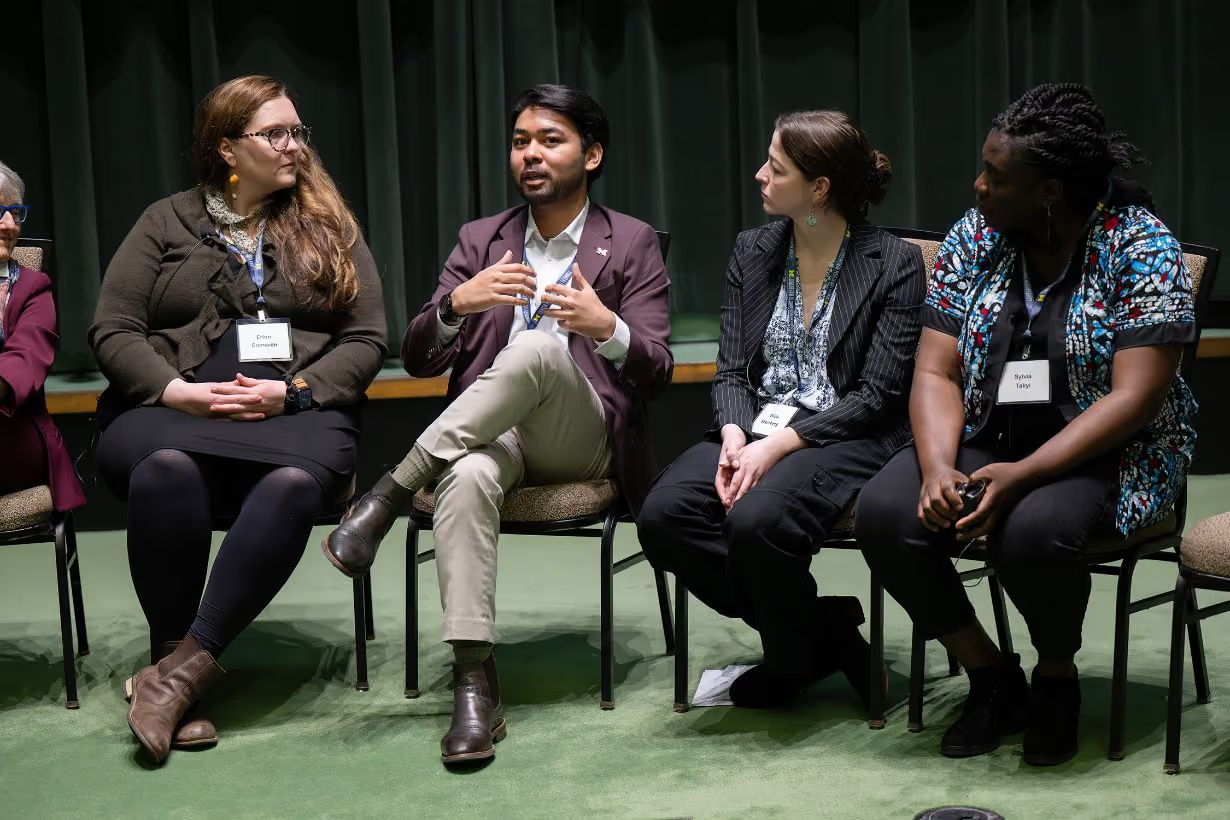
"Hello, I'm [Name], [title] in the [Department] at the University of Michigan. My research focuses on [topic], and as a member of the Center for Global Health Equity, I'm part of a community of researchers working across disciplines and continents to ensure that evidence-based research translates into real change for the communities who need it most."

"Hello, I'm [Name], [title] at the Center for Global Health Equity at the University of Michigan. We bring together researchers, students, and global partners across disciplines to strengthen health systems, inform policy, and empower communities to drive equitable health outcomes where resources are limited and the need is greatest."

The Center for Global Health Equity at the University of Michigan brings together researchers across disciplines, campuses, and continents to pursue research that reaches the communities who need it most. We serve as a catalyst: connecting researchers, funding high-impact work, and building the collaborations needed to strengthen health systems, inform policy, advance data science, address environmental justice, and empower communities. At our core is a commitment to partnering differently: working alongside communities rather than for them, and ensuring that evidence-based research translates into real change where resources are limited and the need is greatest.
One of the nation’s top public universities, the University of Michigan has been a leader in research, learning and teaching for more than 200 years. With one of the highest research volumes of any public university in the country, U-M is advancing new solutions and knowledge in areas ranging from the COVID-19 pandemic to driverless vehicle technology, social justice and carbon neutrality. Its main campus in Ann Arbor comprises 19 schools and colleges; there are also regional campuses in Dearborn and Flint, and a nationally ranked health system, Michigan Medicine. The university also boasts a world-renowned intercollegiate athletics program and has been the site of many important events in U.S. history, including JFK’s announcement of the Peace Corps, LBJ’s “Great Society” speech, and the clinical trials of the Salk polio vaccine. U-M’s alumni body is one of the largest in the world and includes a U.S. president, scientists, actors, astronauts and inventors. Source
A copyright line should be included on all marketing materials, including websites, other digital properties, and print collateral. The addition of the date is helpful but not necessary.
Examples of proper copyright notices: © 2025 by the Regents of the University of Michigan or © 2025 Regents of the University of Michigan”
You may spell out “Copyright” or use the © symbol. You may also use a more comprehensive copyright notice if desired: © 2025 by the Regents of the University of Michigan.
All marketing materials should include the University of Michigan Regents and the Executive Officers of Michigan Medicine when possible; the names can be presented as a bulleted list or in paragraph form (depending upon space constraints).
View the current list of University of Michigan executive officers.
View the current list of Michigan Medicine executive officers.
All marketing materials should include the University of Michigan Regents when possible; the names can be presented as a bulleted list or in paragraph form (depending upon space constraints). See the Regents’ List for Publications for the most current list.
The Nondiscrimination Policy Statement is provided by the Equity, Civil Rights and Title IX Office. The full statement must appear in publications as required by the U.S. Department of Education. The Office of the General Counsel says that the statement should be included in any materials or publications that contain general information and are used to “recruit applicants, participants, beneficiaries or employees.” Posters could be exempt if they include no “general information” beyond the announcement of an event.
As of March 2025, the Statement reads: The University of Michigan, including the Ann Arbor, Dearborn, Flint campuses as well as Michigan Medicine, as an equal opportunity employer, complies with all applicable federal and state laws regarding nondiscrimination. The University of Michigan is committed to a policy of equal opportunity for all persons and does not discriminate on the basis of race, color, national origin, age, marital status, sex, sexual orientation, gender identity, gender expression, disability, religion, height, weight, or veteran status in employment, educational programs and activities, and admissions.
Inquiries or complaints may be addressed to the Equity, Civil Rights and Title IX Office (ECRT), 2072 Administrative Services Building, Ann Arbor, Michigan 48109-1432, 734-763-0235, TTY 734-647-1388.
If space is an issue, the following shorter line may be used: “A Non-discriminatory Employer.”
Read SPG 201.35 >>
For use cases where we are the only funder: “This work was supported by the Center for Global Health Equity at the University of Michigan.” For use cases where there are more than one funders: “This work was supported by the Center for Global Health Equity at the University of Michigan, [Funder 2], and [Funder 3].”