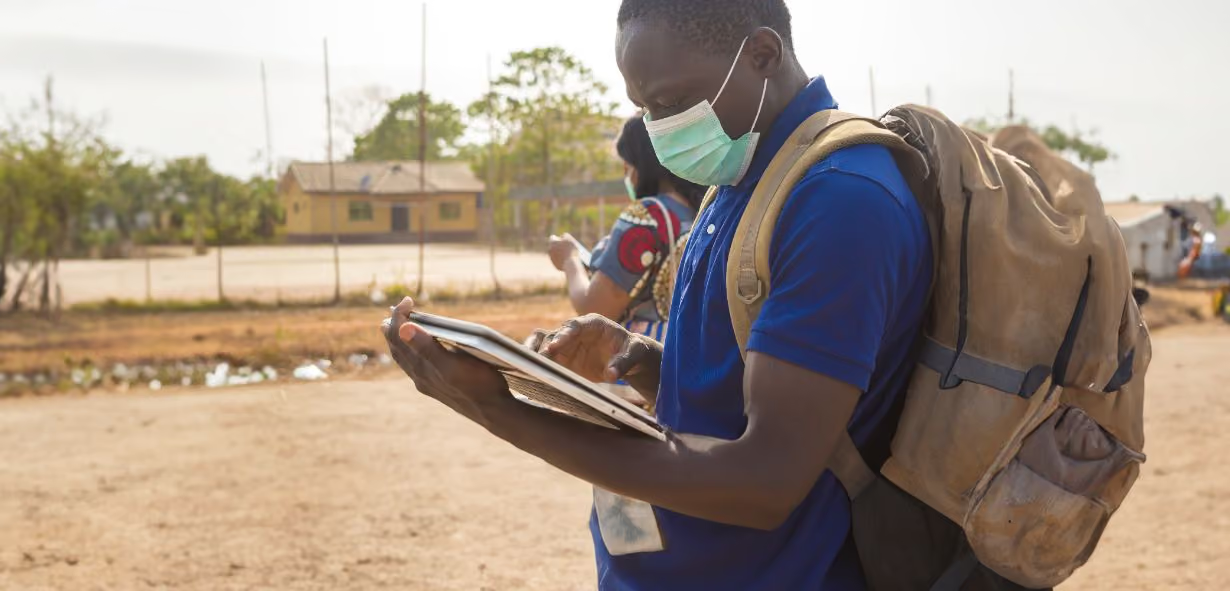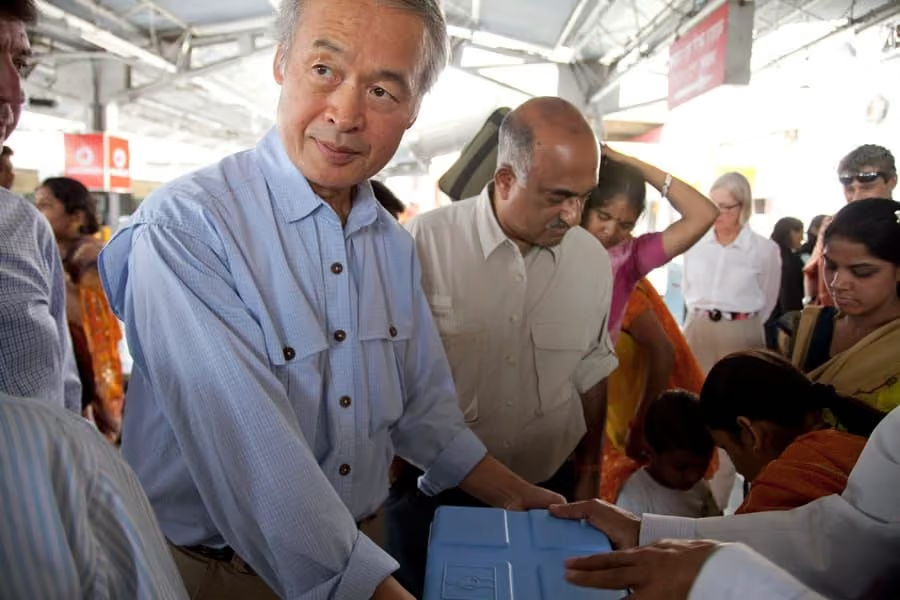
Tachi spent more than three decades at the University of Michigan, first as chief of gastroenterology and later as chair of the Department of Internal Medicine, before moving into global health leadership roles at GlaxoSmithKline, the Bill & Melinda Gates Foundation and Takeda Pharmaceuticals. At the Gates Foundation, he led a $9 billion global health portfolio. But colleagues remember him less for the scale of what he managed and more for how he managed it: with curiosity, humility and an unshakable belief in the people around him. "I will not let you fail," he told the young scientists and physicians he mentored, and he meant it.
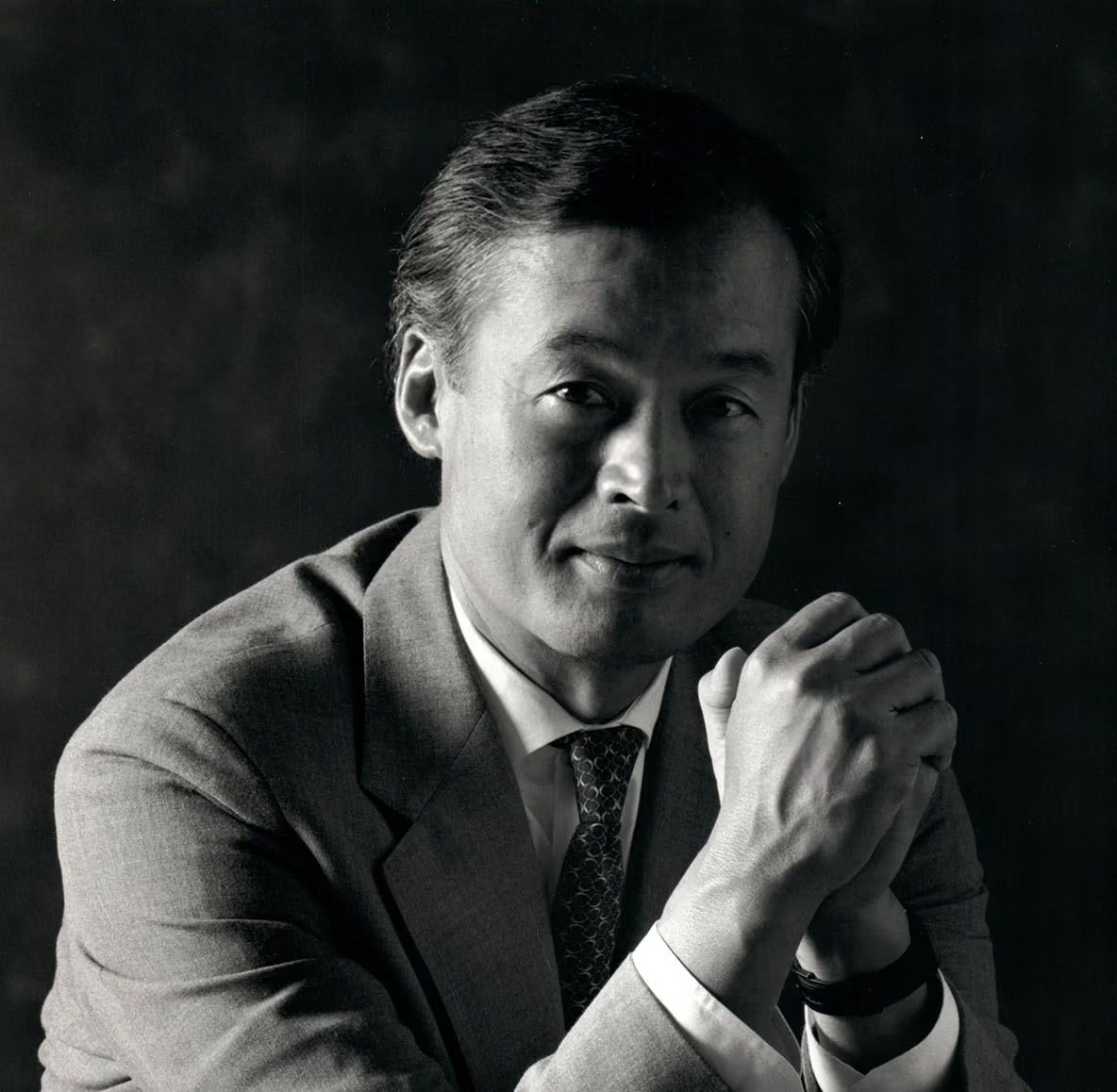
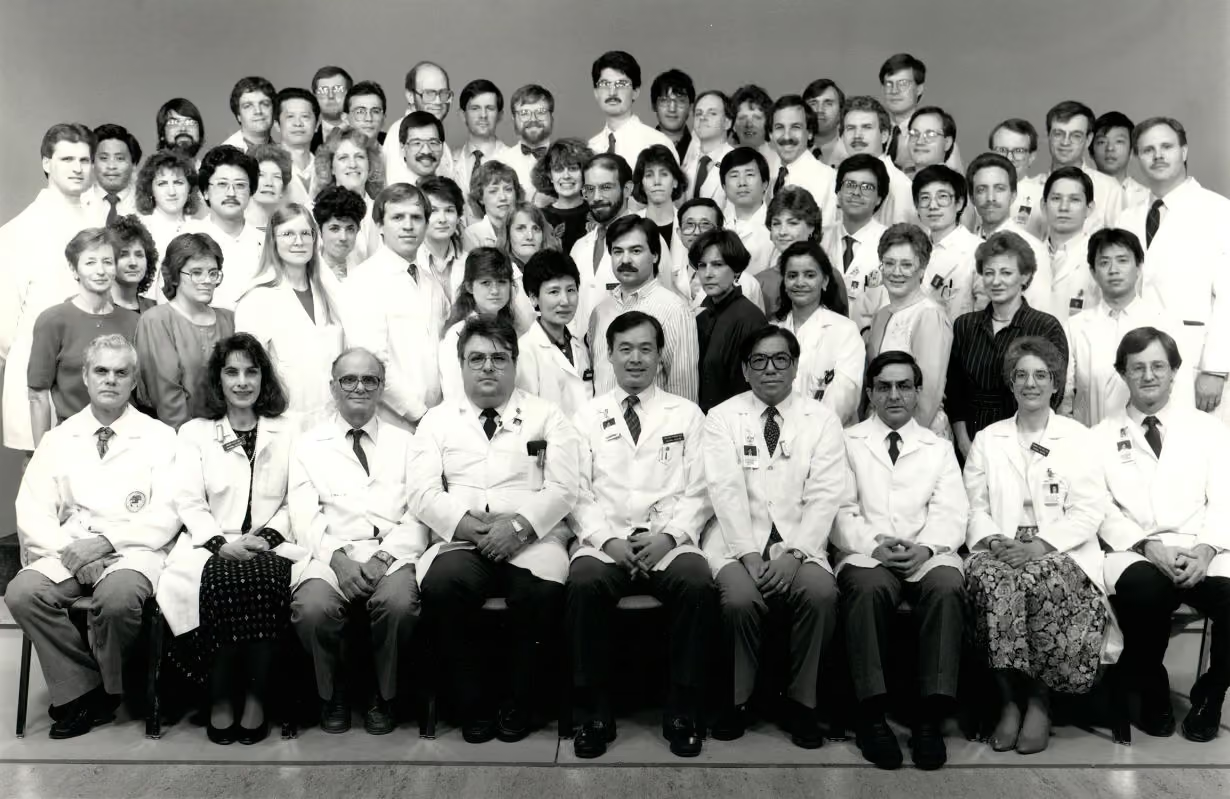


Tachi Yamada was born in Tokyo in 1945, three weeks before the end of World War II. He came to the United States at 15 to attend Phillips Academy Andover, then went on to Stanford University and New York University School of Medicine. After training in internal medicine and gastroenterology, including a fellowship at UCLA, he was recruited to the University of Michigan in 1983, where he would spend the next decade building one of the country's leading academic gastroenterology programs and, later, leading the Department of Internal Medicine.

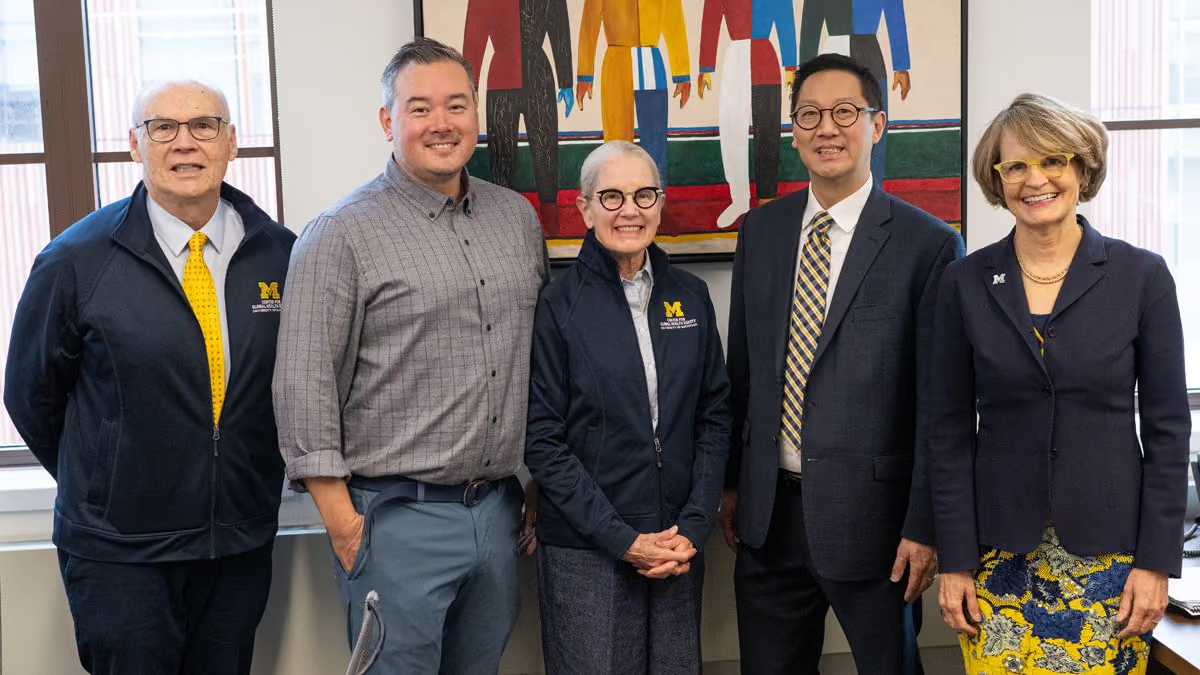
From Michigan, Tachi moved into roles that took his influence global: chairman of research and development at GlaxoSmithKline, president of the Global Health Program at the Bill & Melinda Gates Foundation, and chief medical and scientific officer at Takeda Pharmaceuticals. At each stop, those who worked with him describe the same qualities: a brilliant clinician's mind, a relentless curiosity, and a deep, often quiet kindness. He had a gift for seeing potential in people before they saw it in themselves, and the patience to stay with them until they got there.
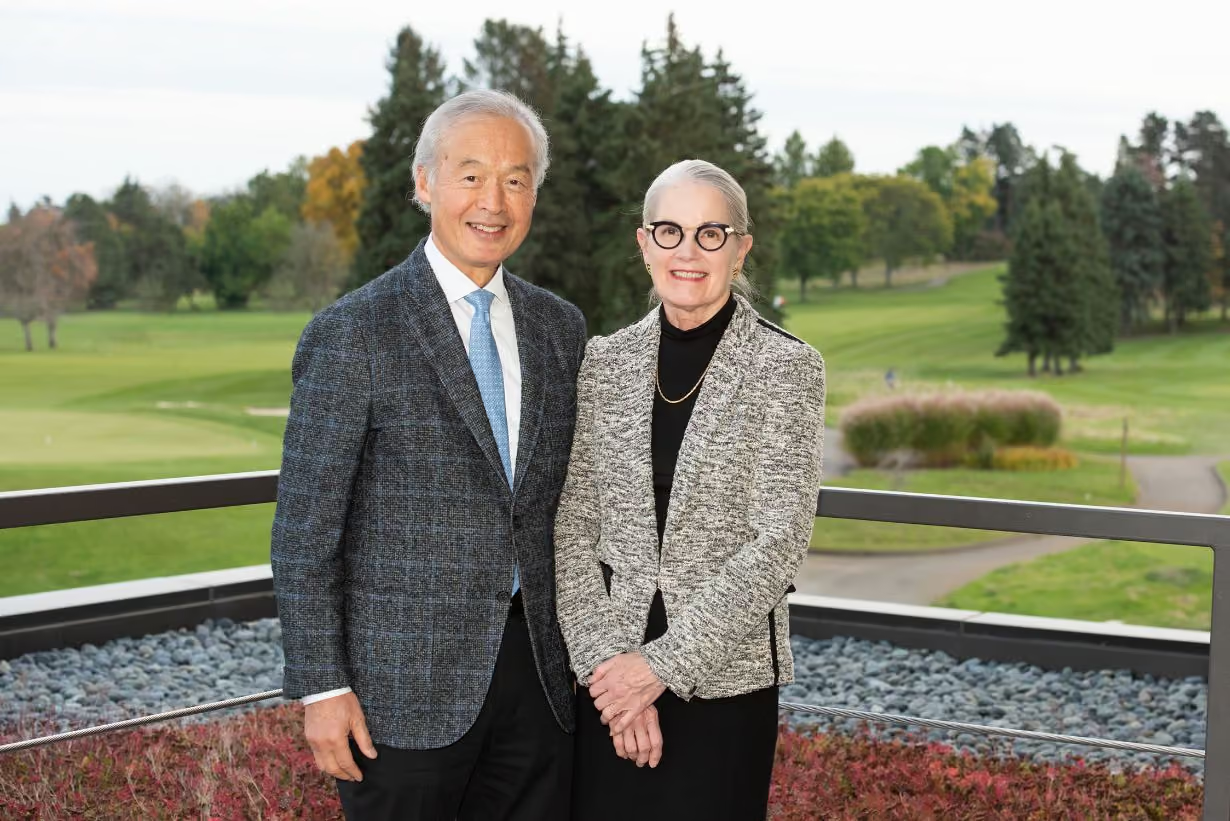
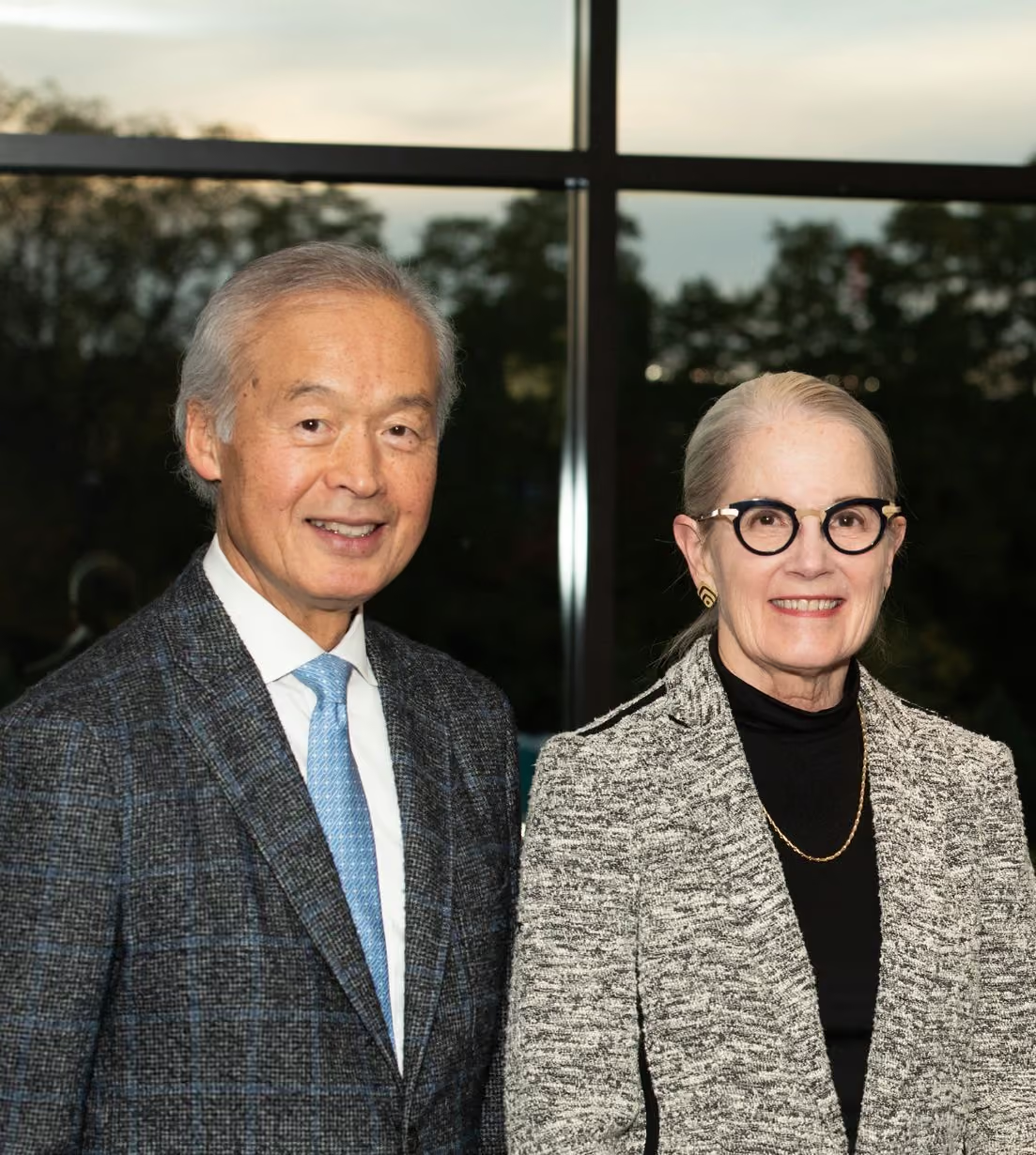

Tachi passed away in August 2021. In the years since, his wife Leslie and their children have continued to champion the beliefs that guided his life's work. Their ongoing involvement with CGHE is not a memorial gesture. It is a continuation of a conversation Tachi started decades ago, about what universities owe the world and how research can change lives, not just advance careers. The Yamada family remains closely engaged with the center's work, and their presence is a reminder that this center was built on a relationship, not just a gift.