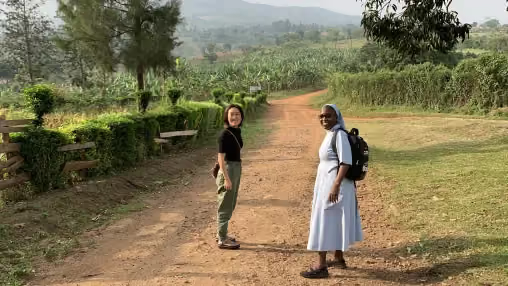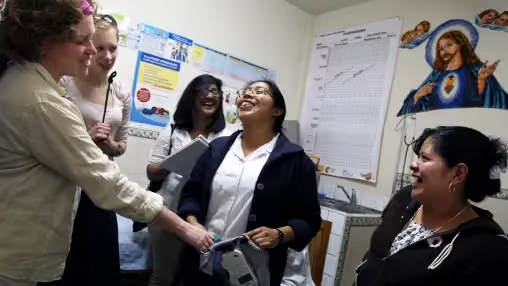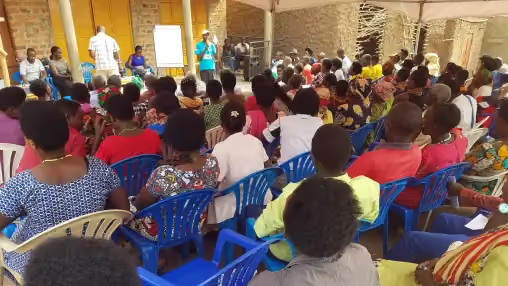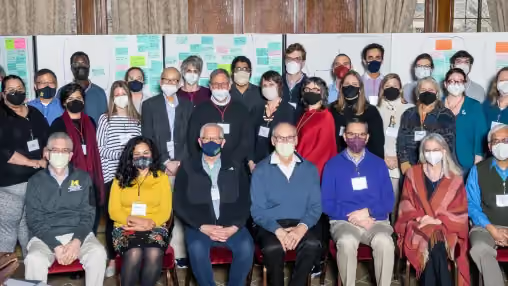
We prioritize and invest in projects that advance the global health equity movement in every way possible. Our work strengthens systems to improve health and health equity, informs public policy, creates new technical solutions for community health, and empowers women as health leaders in their communities. We know there are ways to solve the seemingly intractable problems that plague global health, and we are committed to finding them.
We are doing all of this while based at the University of Michigan, the leading public research university in the US. By leveraging the unique strengths of this excellent institution, we reach across disciplines to create solutions. In addition to supporting innovative research, we have launched educational opportunities for our students and extended training and capacity sharing pathways for global partners. These efforts are changing the way we do global health work. This is a big part of the movement—changing the model itself.
Because this is our inaugural impact report, we have included an overview of the Center’s history (see page 2). We are proud of the foundation we have built and are preparing to take some big next steps. We engage more faculty and global partners every month. Our research models are constantly evaluated and improved so that our partnerships set the standard for collaboration and co-design. We have already deployed a series of seed grants that have led to much larger national and international grants, many of which include global research partners as lead investigators. And we are developing new models for student engagement to prepare future generations of researchers to be leaders in the global health equity movement.
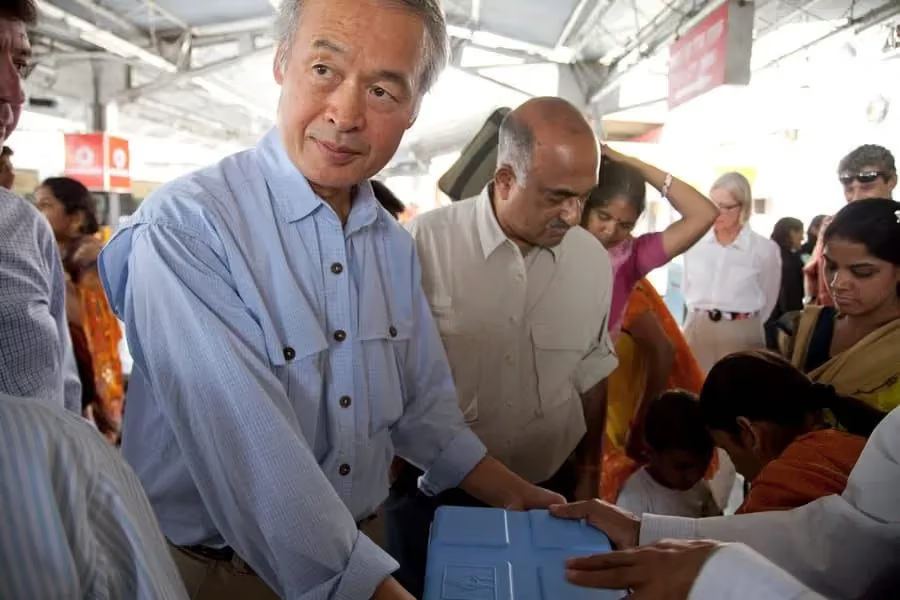
Tachi Yamada quite literally changed the world. It is easy to look at the current pandemic—and so many other infectious disease trajectories—and think we are behind the curve. And perhaps we are in many ways.
But in the last twenty years, through the development and deployment of new drugs—and through a seismic transformation in the pharmaceutical industry—health systems around the world have new tools in the fight against malaria, tuberculosis, HIV, and other diseases that make millions of people sick every year. And Tachi was at the center of much of that.

Our version of a postdoc program is different.
The Impact Scholars program prepares exceptional early-career scholars for work in global health research and program development, with a focus on measurable impact in low-resource settings. Impact Scholars build coherent bodies of their own work and prepare for successful global health careers in academia, government, civil society, or advocacy as effective, influential leaders. Working with University of Michigan faculty mentors, scholars engage in projects that involve interdisciplinary collaboration across two or more themes that have been prioritized by the Center.